
How to Start a Bible Study Group in Tanzania: A Step-by-Step Guide


Understanding the Purpose of Your Bible Study Group
Starting a Bible study group in Tanzania can be a deeply fulfilling endeavor. It provides an opportunity for community members to come together, share insights, and grow spiritually. Before you begin, it's essential to understand the purpose of your group. Are you aiming to deepen biblical knowledge, encourage fellowship, or support personal growth? Clearly defining your goals will help guide your group's activities and discussions.
Choosing the Right Location
Once you have a clear purpose, the next step is selecting an appropriate location. Consider a place that is convenient and comfortable for all participants. This could be a home, church, or community center. It's important that the location fosters a welcoming and open atmosphere where everyone feels at ease to share and participate.
Gathering Your Group
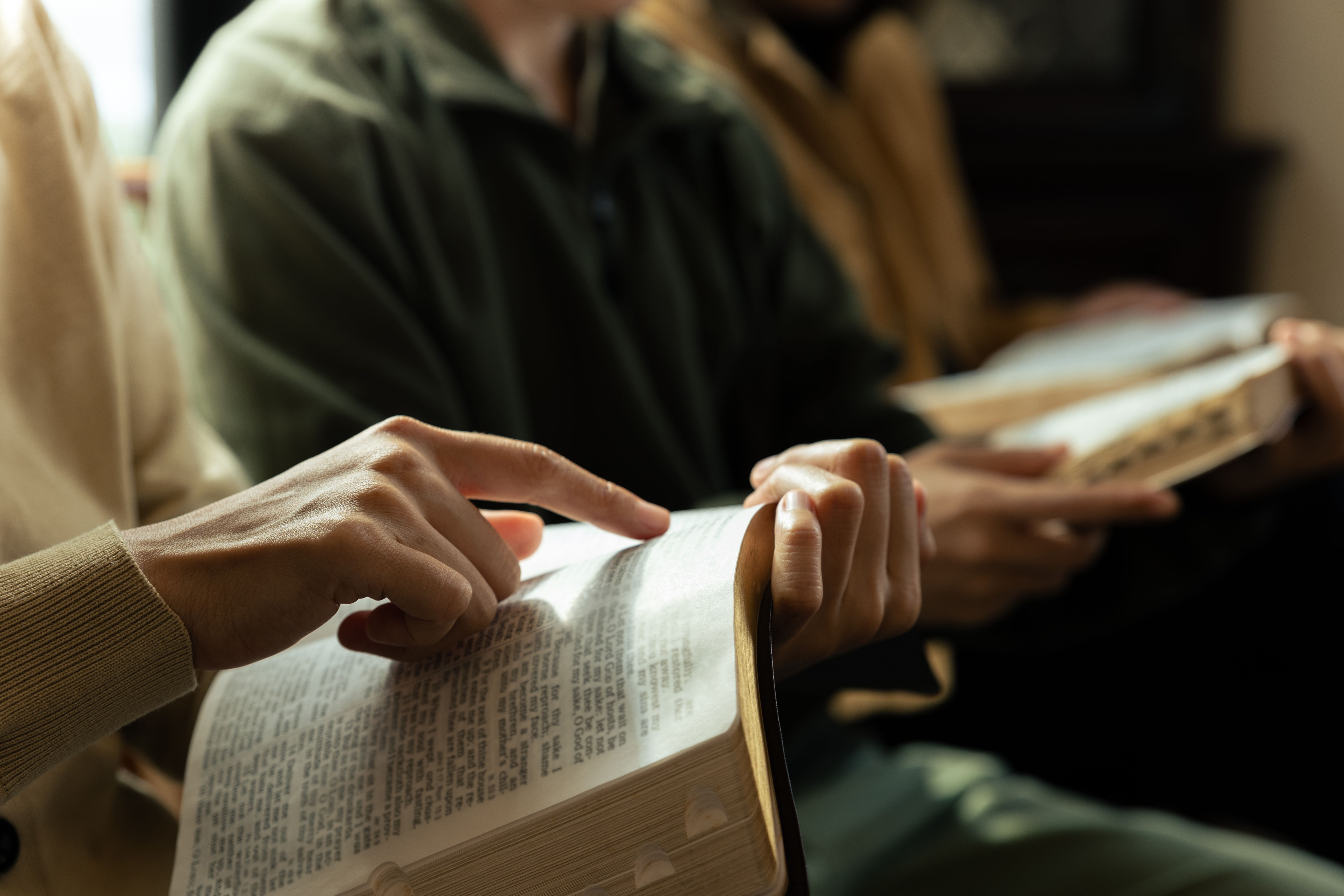
With a location in mind, it's time to gather your group. Start by reaching out to friends, family, and community members who might be interested in joining. You can also use social media platforms to extend your invitation. Be clear about the group's purpose and what participants can expect. A group of 6 to 12 people is often ideal for meaningful interactions.
Setting a Regular Schedule
Consistency is key in maintaining enthusiasm and commitment. Decide on a regular schedule that works for the majority of the group. Whether it's weekly or bi-weekly, having a set day and time helps participants plan accordingly and prioritize the study sessions in their schedules.

Selecting Study Materials
Choosing the right study materials is crucial for productive discussions. Consider using a combination of the Bible, study guides, or themed devotionals. Ensure that the materials align with your group's goals and are accessible to all members. You might want to rotate who chooses the materials to encourage diverse perspectives.
Facilitating Engaging Discussions
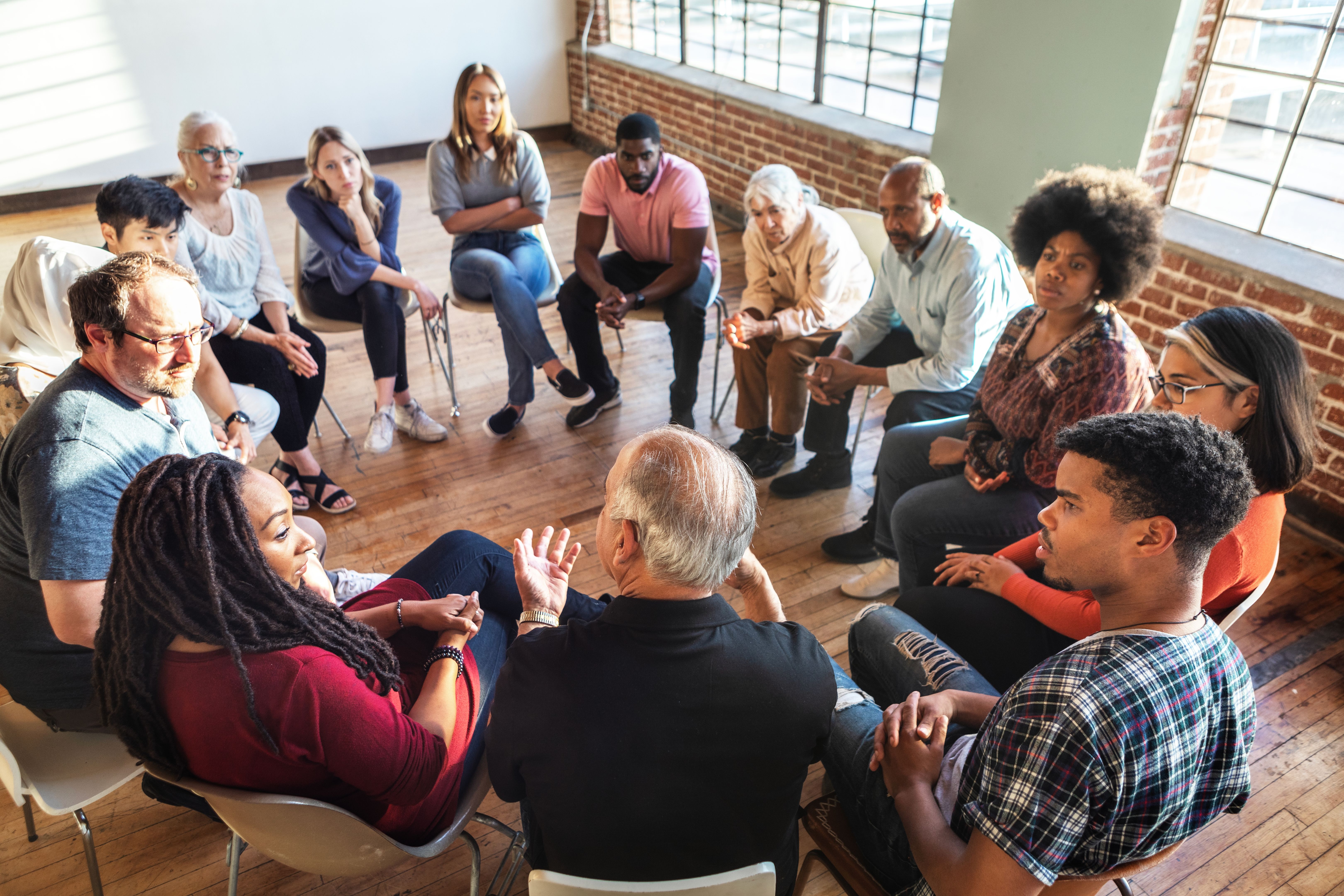
A successful Bible study group thrives on engaging discussions. Encourage members to share their thoughts, ask questions, and express differing viewpoints. As a facilitator, your role is to guide the conversation without dominating it. Create an environment where everyone feels valued and heard.
Incorporating Prayer and Worship
Integrating prayer and worship into your sessions can enhance the spiritual experience. Start or end each meeting with a prayer, and consider including a short worship session. This practice can help create a sense of unity and focus the group's hearts and minds on the study topics.
Evaluating and Adapting
Periodically evaluate the effectiveness of your group. Solicit feedback from participants to understand what is working well and what could be improved. Be open to making changes in the format, schedule, or materials to better meet the needs of the group.
Starting a Bible study group in Tanzania can be a rewarding journey of faith and fellowship. By following these steps, you can create a nurturing environment that encourages spiritual growth and community bonding.